
OKX Card Games Guide: Tournament Play and Blackjack
OKX card games include familiar favorites like blackjack and baccarat, along with poker tables and tournaments where you compete against other players. Each format has its own tempo, cost and demands on your attention. Understanding the differences before you sit down helps you pick a game that fits your goals and your budget, and keeps sessions enjoyable instead of stressful, with simple rules you can apply from the first hand.
OKX Card Games: Cash Tables vs Tournaments
How Cash Tables Work
At a cash table, chips represent real money and you can leave whenever you wish. This flexibility is attractive, but it also means no natural endpoint exists, so you must provide the discipline yourself. Variance is ongoing, and a long session can swing widely. Set a time limit and a stop-loss before you take a seat.
How Tournaments Work
A tournament has a fixed buy-in, a starting stack for each player and a prize pool distributed to top finishers. Your maximum loss is the entry fee, which suits cautious players. Tournaments take longer and reward patience, but they give structure to a session in a way cash games do not. An OKX card lobby will list buy-ins and start times clearly.
Choosing for Your Budget

If you want to cap your risk and enjoy a longer game, tournaments are a sensible choice. If you prefer flexibility and short sessions, cash tables fit. Beginners often start with low-cost tournaments because the downside is known in advance.
| Format | Maximum loss | Time commitment | Best for |
|---|---|---|---|
| Cash table | Your table stack | Flexible | Short, controlled sessions |
| Tournament | Entry fee | Long | Capped risk |
| House-banked table | Your bets | Flexible | Simple rule-based play |
Blackjack and Baccarat Basics
Blackjack Fundamentals
Blackjack asks you to beat the dealer without exceeding 21. Number cards count face value, face cards count ten and aces count one or eleven. You can hit, stand, double down or split pairs, and the dealer follows fixed rules. A natural blackjack usually pays 3 to 2, and a tie is a push.
Basic Strategy in Brief
Basic strategy tells you the best action for each hand against each dealer card. Always split aces and eights, double on eleven against most dealer cards, stand on hard seventeen and avoid insurance. Following the chart brings the edge down to roughly half a percent, the lowest available at most tables.
Baccarat Without the Mystery
Baccarat offers three bets: player, banker and tie. The cards are drawn by fixed rules, so the only decision is which bet to place. Banker wins slightly more often and carries a 5% commission. The tie pays more but wins rarely and costs far more over time, so it is best skipped.
Poker Essentials for Newcomers

Hand Rankings and Rounds
Know the ranking from high card up to royal flush before you play. In Texas Hold’em, each player gets two private cards and shares five community cards across the flop, turn and river. Betting occurs in each round, and the best five-card hand wins at showdown unless everyone else folds first.
Position and Patience
Acting later in a round gives you more information about opponents. Play fewer hands from early positions and more from late ones. Most beginners lose by entering too many pots, not by failing to bluff cleverly. Folding is a legitimate and often profitable action.
Bankroll Needs
Poker results swing widely even for strong players. Keep at least twenty buy-ins for cash stakes or fifty tournament entries so that bad runs do not end your play. A proper bankroll also stops you from moving up stakes after a lucky win before you are ready.
Habits for Sensible Play
Limits Before Cards
Write down your deposit limit, time limit and stop-loss before the first hand, and keep them visible. Card games produce many decisions per hour, so it is easy to lose track. A reminder every thirty minutes helps you check in with yourself honestly.
Handling Tilt
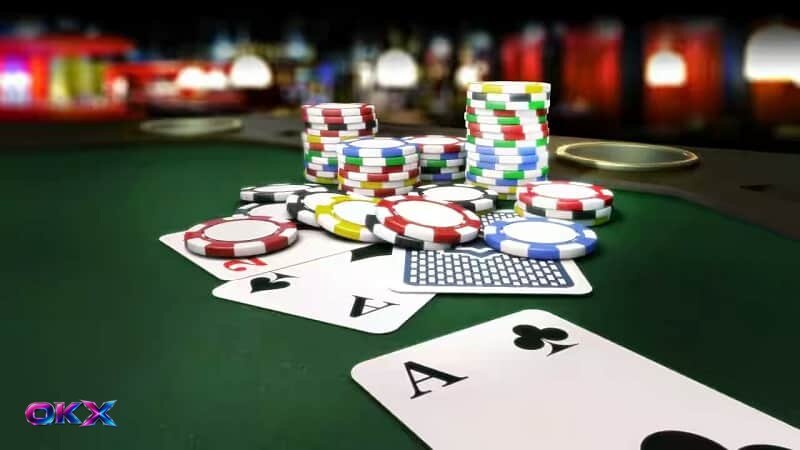
Tilt is emotional play after a bad beat or a string of losses. Signs include larger bets, quicker decisions and irritation at other players. When you notice them, stand up and take a break. The table will still be there when you are calm.
Skipping Costly Side Bets
Insurance, pair bets and progressive side wagers often carry edges of five to fifteen percent. They are optional, and ignoring them is an easy way to keep your money in play longer. If you enjoy them, keep them to a small, separate budget.
Learning and Etiquette
Use Free Play
Free-play tables allow you to practice rules and strategy without risk. Use them to memorize charts and learn the interface. Move to real money only when you feel comfortable, and start at the lowest limit.
Review Your Decisions
After sessions, look at the hands where you made big choices and ask whether the decision was reasonable given the information. Separating decision quality from outcomes is how players improve over time.
Table Manners
Act in turn, avoid revealing your cards early and keep chat polite. Slow-rolling a winning hand to tease an opponent is considered rude. Good manners make tables friendlier and help you focus on your own play.
Quick Answers
Is Poker Harder Than Blackjack?
Yes. Blackjack has a fixed strategy chart, while poker requires reading situations and opponents across many variations.
Can I Count Cards Online?
No. Online and live-streamed games shuffle frequently, and platforms usually forbid counting.
How Long Should I Play?
Forty-five to sixty minutes works well for most people. Longer sessions raise errors and spending.
Online Tables vs Live Dealer Tables
Software Tables
Digital tables deal instantly and let you play many hands in a short time. That speed is useful for practice but raises the number of bets per hour, which raises your total cost. Slow yourself down with short breaks, and avoid quick-deal options if you notice you are playing too fast.
Live Dealer Tables
Live tables stream real cards and a real dealer, which many players find more transparent and social. The pace is slower, but minimum bets are often higher. Watch a few rounds before joining, check the limits and make sure the stake fits your budget. An OKX live table should feel comfortable, not tense.
Final Thoughts on Card Games
OKX card games offer something for every temperament, but none removes the cost of playing. Learn the rules, favor tournaments if you want capped risk, use basic strategy in blackjack and respect your limits. Treat results as entertainment, not income — see more at OKX.
If playing becomes stressful or hard to stop, take a break and speak with a support organization in your country. Cooling-off tools and self-exclusion are available to help you keep control.